
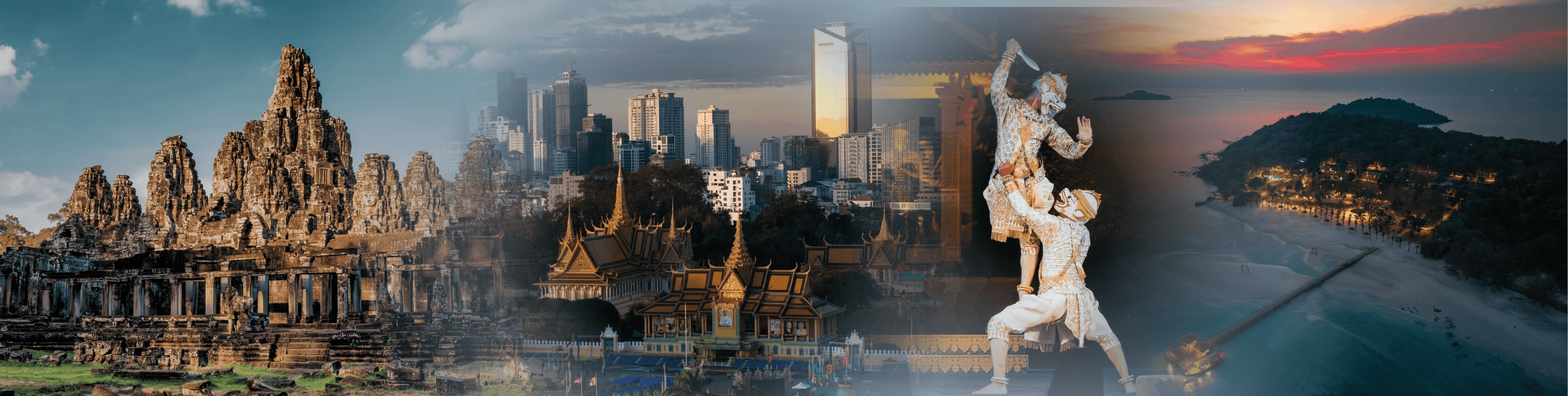
Cambodia’s rich cultural heritage, coastal appeal, and natural assets, coupled with warm, tradition-rooted hospitality—offer strong added value for investors. In 2024, Cambodia welcomed approximately 6.7 million international tourists, marking a 23% increase from 2023. An average stay of 7 days and a hotel occupancy rate of 78% speak to Cambodia’s strong appeal and its growing reputation as a must-visit destination. This growing influx coupled with anticipated growth—fueled by strategic ongoing and planned initiatives—signals increasing demand for new products and services. Tourism in Cambodia is deeply connected to culture and nature, creating diverse investment opportunities across hospitality, eco-tourism and other innovative tourism products. With rising demand, strong government support, investor incentives, and infrastructure upgrades, Cambodia continues to attract top global tourism and hospitality brands and become a prime destination for investment in tourism industry.
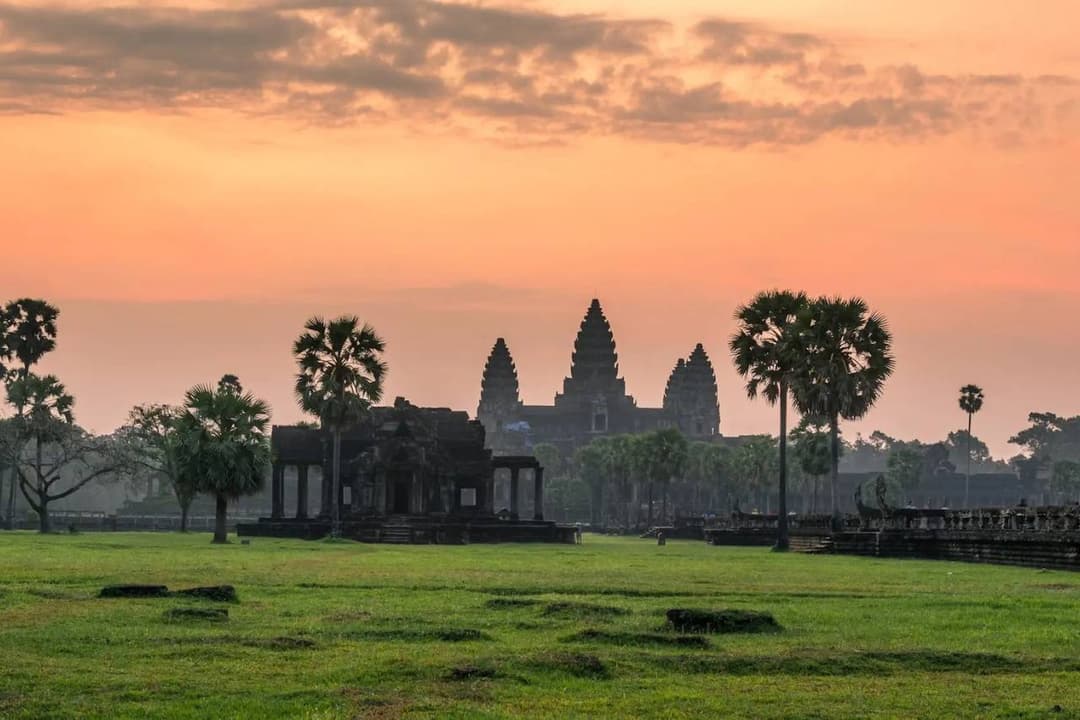
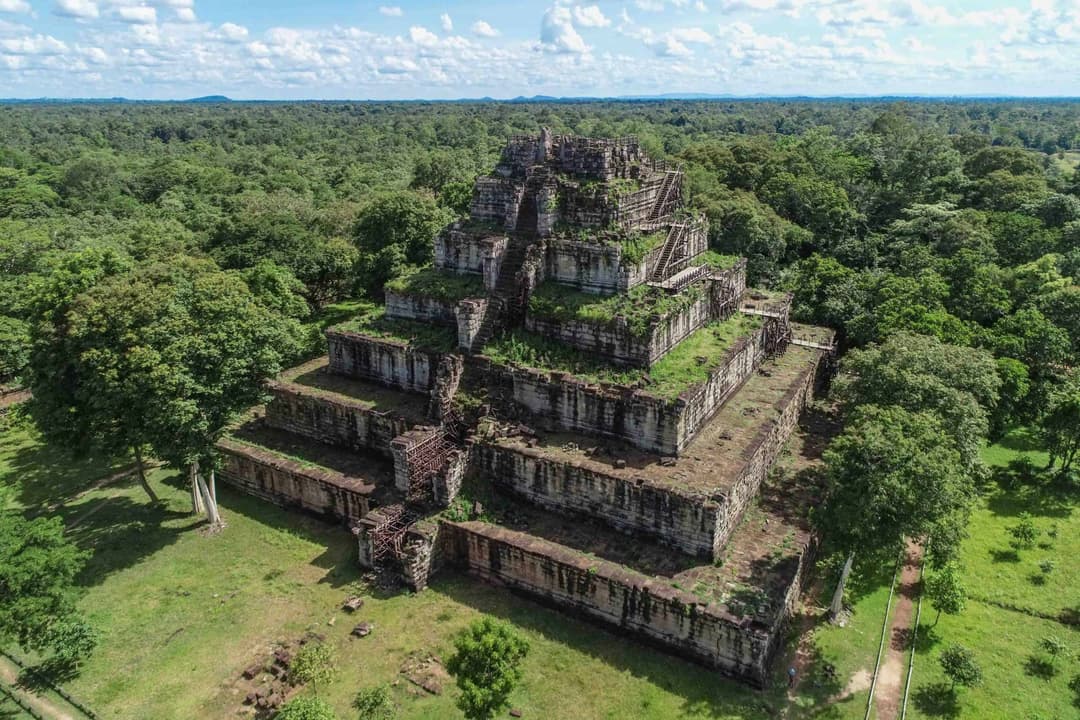
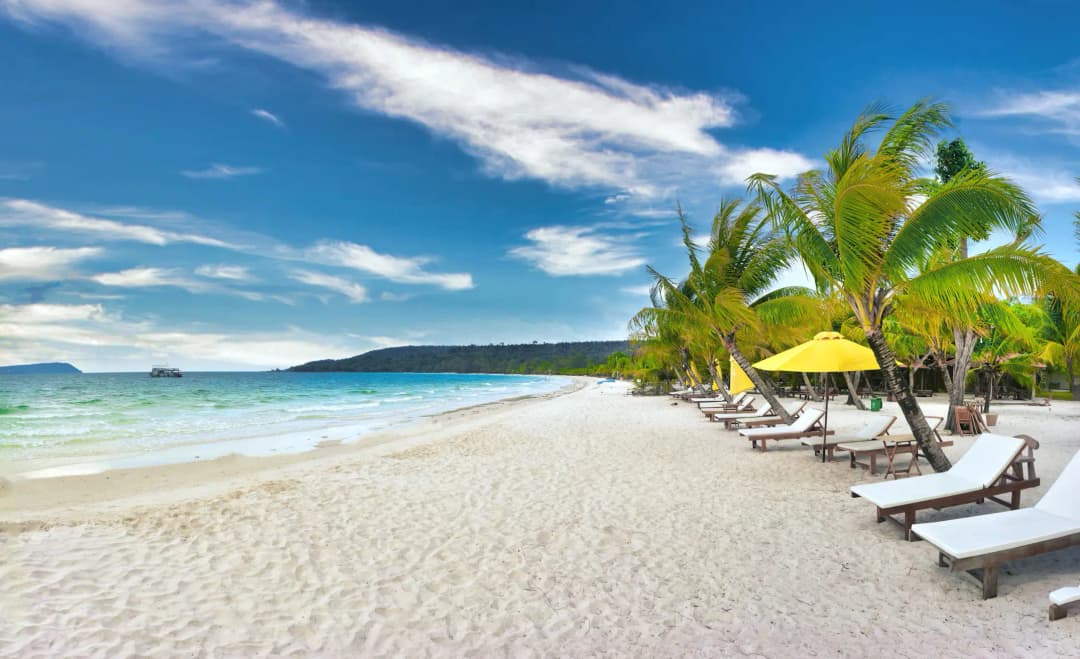
Cambodia’s world-renowned cultural heritage, such as Angkor Wat, and diverse natural landscapes continue to draw millions of visitors each year. Beyond its historical appeal, the country offers vast untapped potential for new tourism experiences—from pristine white-sand beaches and tropical islands to lush forests, waterfalls, and mountain ranges. This rich blend of nature and culture creates potentials for producing a wide range of tourism products, including ecotourism, adventure tourism, cultural heritage experiences, wellness retreats, food tourism, and entertainment tourism. Additionally, the increasing number of international visitors and a rising middle-income population are driving demand for quality hospitality and lifestyle services. This presents opportunities for investment in luxury hotels, boutique resorts, fine dining, entertainment venues, waterparks, and high-end retail, particularly Cambodian-made products, offering visitors a deeper cultural connection. Additionally, Cambodia’s expanding role as a host for regional and international events highlights the growing potential for investment in the Meetings, Conferences, and Exhibitions (MICE) tourism sector.
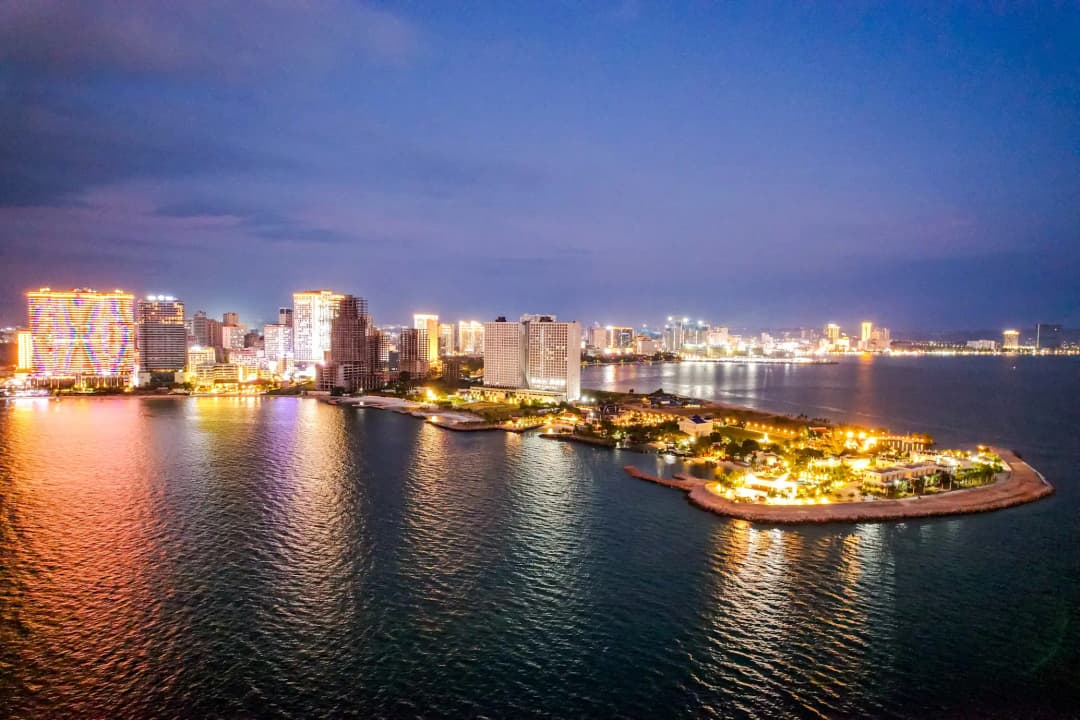
To support the sustained growth of tourism industry, the Cambodian government has introduced a wide range of incentives, supporting policies, and infrastructure development initiatives aimed at attracting both investors and visitors. These include a generous fiscal and non-fiscal incentives framework, stimulus packages, streamlined business registration procedures, and infrastructure development projects, for instance, the enhancement and expansion of road networks, airports, telecom systems, and digital payment services. Specifically, the completion of Techo International Airport, a 4F airport with a total area of 2,600 hectares, will significantly boost tourism by enhancing international connectivity and supporting investment in high-end hospitality, MICE, and regional travel experiences. In parallel, the government is advancing strategies to diversify tourism products and improve visitor experiences, encouraging longer stays and higher spending.