


Cambodia’s furniture industry is rapidly emerging as a high-potential investment sector, driven by abundant raw materials, a dexterous and competitive workforce, preferential trade access, government supports and a rising commitment to sustainable production. These strengths are attracting leading international manufacturers seeking reliable, high-quality production bases to supply the growing demands of tourism industry, real estate development, and regional as well as global export markets. Cambodia’s furniture sector has shown impressive export performance, achieving a compound annual growth rate (CAGR) of 20.7% over the past five years, with export value rising from USD 419 million in 2019 to USD 890 million in 2023. Cambodia’s strategic advantages have attracted major international companies in furniture industry.

With abundant natural resources and a diverse range of commercially valuable, durable and aesthetic appealing timbers—such as teak, acacia, rubberwood, and eucalyptus—Cambodia offers a stable and sustainable supply base for the furniture industry. These raw materials are well-suited for producing a wide range of products from high-end, custom-designed pieces to large-scale mass-market furniture.
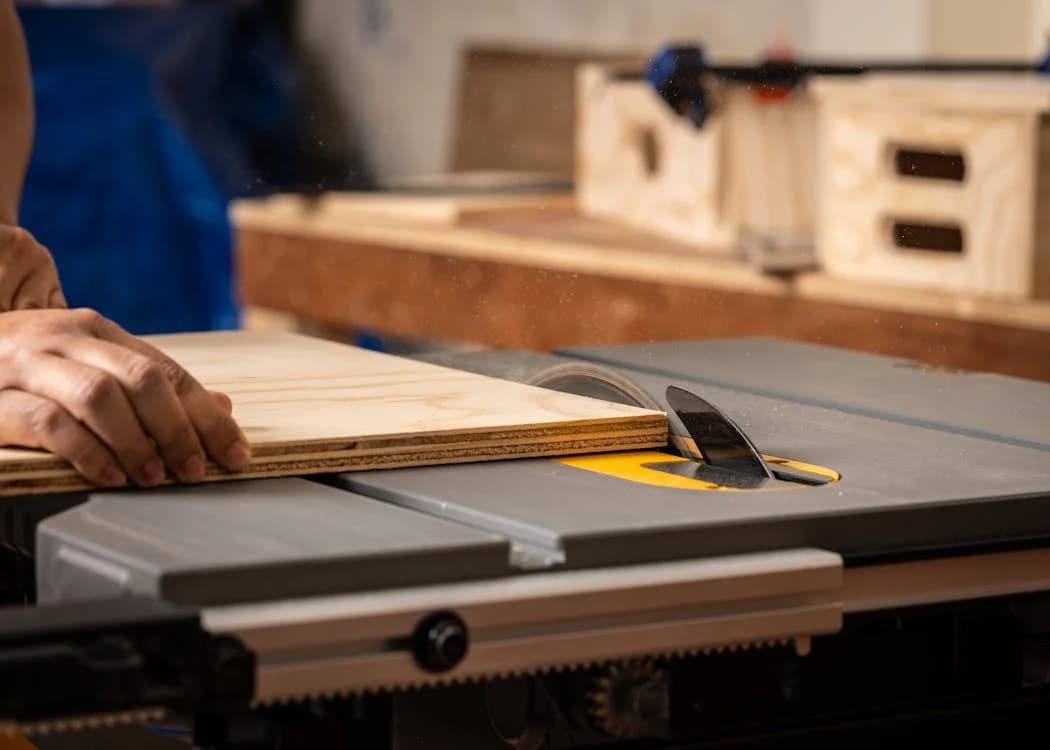
Cambodia presents a strong value proposition for furniture industry. In addition to abundant natural resources, Cambodia’s skilled labor force, supportive government policies, and strategic trade access are key strengths. Cambodia has a young, dexterous, and competitive labor force. The expansion of vocational training and practical experience has made Cambodian workers increasingly proficient in wood processing, carpentry, and furniture assembly—well-suited for both artisanal and industrial-scale production. Moreover, to sustain industry growth, the government offers a wide range of fiscal and non-fiscal incentives, streamlined procedures, and major infrastructure upgrades—from roads and airports to telecom and digital payment systems. Further boosting Cambodia’s appeal is its preferential trade access to major markets, including the United States, European Union, China, and Regional Comprehensive Economic Partnership (RCEP) member countries—enabling investors to benefit from reduced or zero tariffs and improved market entry across major export destinations. These advantages positions Cambodia as a cost-effective, resource-rich destination for long-term investment and export.

Cambodia also offers a strategic value proposition for sustainable production. In 2024, approximately 61% of the country’s energy came from renewable sources, with a goal to raise that share to 70% in the overall energy mix by 2030—reinforcing Cambodia’s commitment to green growth and responsible manufacturing.